
When upgrading your home in Ireland, energy efficiency is no longer just a bonus—it’s essential. Whether you’re renovating or building from scratch, understanding U-values can help you make smarter decisions about your windows and doors.
In this guide, we’ll break down everything in a clear, practical way so you can improve comfort, reduce energy bills, and meet modern Irish standards.
Table of contents
- What Are Energy Ratings for Windows & Doors?
- What Is a U-Value?
- Understanding U-Values in Simple Terms
- Factors That Affect U-Values
- Irish Building Regulations for U-Values
- Why Choosing the Right Supplier Matters
- Benefits of Low U-Value Windows & Doors
- Double vs Triple Glazing: Which Should You Choose?
- Tips for Choosing Energy-Efficient Windows & Doors
- Common Mistakes to Avoid
- Final Thoughts
- FAQ’s
What Are Energy Ratings for Windows & Doors?
Simply put, energy ratings measure how well a window or door prevents heat from escaping. The better the rating, the more energy-efficient your home will be.
In Ireland, energy performance is closely tied to your Building Energy Rating (BER). Therefore, choosing the right glazing and frames can significantly impact your home’s overall efficiency.
What Is a U-Value?
The U-value measures how much heat passes through a material.
- It is expressed in W/m²K (watts per square meter per Kelvin)
- Lower U-values = better insulation
- Higher U-values = more heat loss
Why U-Values Matter
Because Ireland has a cool and often damp climate, heat retention is crucial. As a result, windows and doors with low U-values help:
- Reduce heating costs
- Improve indoor comfort
- Minimise condensation
- Lower carbon footprint
Understanding U-Values in Simple Terms
To make things clearer, here’s a quick comparison:
| U-Value Range | Performance Level | What It Means |
|---|---|---|
| 0.8 – 1.2 | Excellent | Very high insulation, ideal for modern homes |
| 1.2 – 1.6 | Good | Meets most building regulations |
| 1.6+ | Poor | Higher heat loss, less efficient |
Therefore, the lower the number, the better your window or door performs.
Factors That Affect U-Values
Although U-values seem straightforward, several factors influence them.
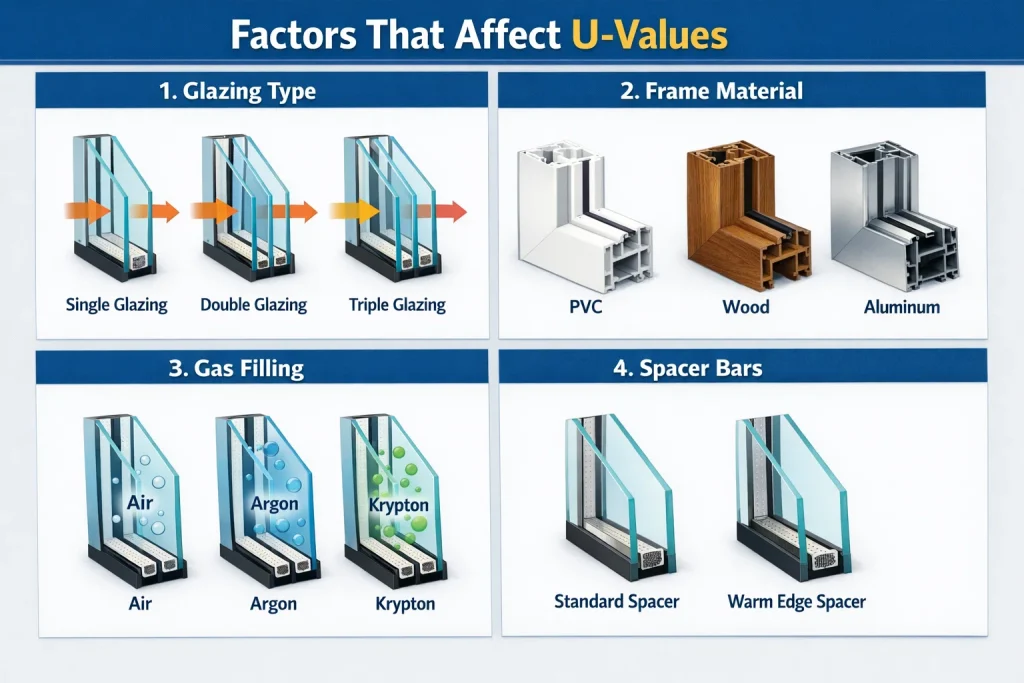
1. Glazing Type
- Double glazing offers decent insulation
- Triple glazing provides superior performance
2. Frame Material
Different materials impact insulation differently:
- uPVC: Good thermal performance
- Timber: Naturally insulating
- Aluminium: Strong but needs thermal breaks
3. Gas Filling
Most modern windows use gases like argon between panes. Consequently, this improves insulation significantly.
4. Spacer Bars
Warm edge spacers reduce heat transfer around the edges. As a result, they enhance overall efficiency.
Irish Building Regulations for U-Values
In Ireland, building regulations set minimum standards for energy efficiency.
Current Typical Requirements:
- Windows: 1.4 W/m²K or lower
- Doors: 1.4 W/m²K or lower
However, newer builds and energy-efficient homes often aim for 1.2 or even 1.0 for better performance.
Why Choosing the Right Supplier Matters
Not all windows are created equal. Therefore, working with an experienced supplier ensures you get certified, high-performance products.
Wright Windows provides energy-efficient solutions tailored to Irish homes. In addition, they focus on high-quality materials and compliance with Irish standards, which makes them a reliable choice.
Benefits of Low U-Value Windows & Doors
Choosing energy-efficient windows and doors brings multiple advantages.
Key Benefits:
- Lower energy bills: Because less heat escapes
- Improved comfort: Rooms stay warmer in winter
- Noise reduction: Better insulation also blocks sound
- Higher property value: Energy-efficient homes are more attractive
- Environmental impact: Reduced carbon emissions
Double vs Triple Glazing: Which Should You Choose?
Although both options improve insulation, your choice depends on your needs.
Double Glazing
- More affordable
- Suitable for mild climates
- Meets minimum standards
Triple Glazing
- Superior insulation
- Ideal for colder areas or energy-efficient homes
- Higher upfront cost but long-term savings
Therefore, if budget allows, triple glazing is often the better investment.
Tips for Choosing Energy-Efficient Windows & Doors
Before making a decision, consider the following:
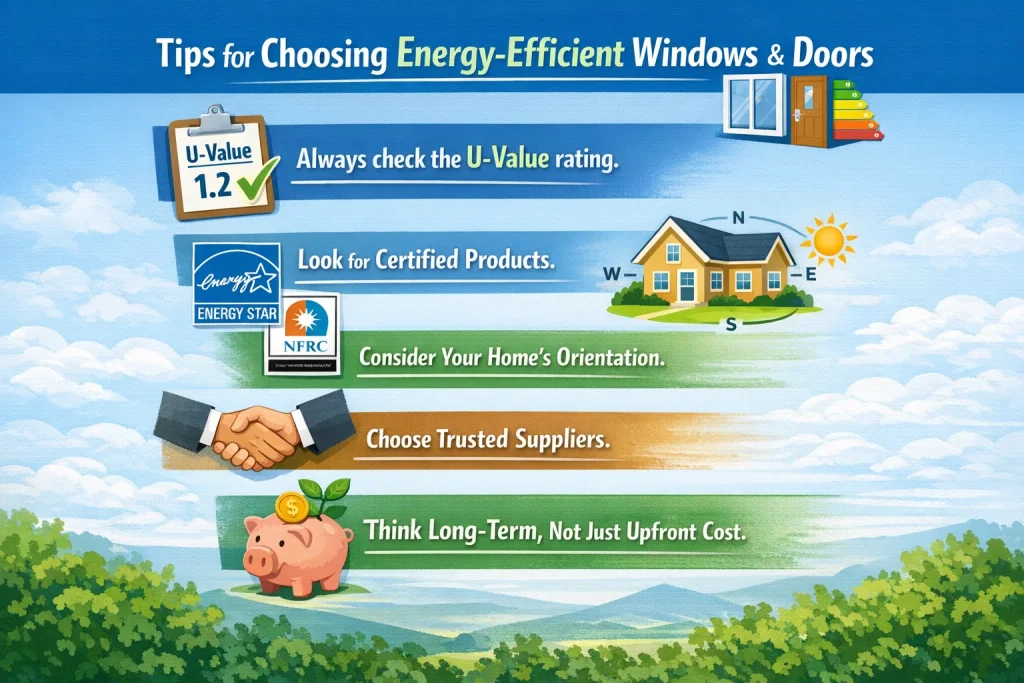
- Always check the U-value rating
- Look for certified products
- Consider your home’s orientation
- Choose trusted suppliers
- Think long-term, not just upfront cost
Common Mistakes to Avoid
Even with the best intentions, homeowners sometimes overlook key factors.
Avoid These Errors:
- Focusing only on price
- Ignoring frame quality
- Choosing style over performance
- Not checking installation standards
Because improper installation can reduce efficiency, always ensure professional fitting.
Final Thoughts
Understanding U-values doesn’t have to be complicated. In fact, once you know that lower means better, you’re already ahead.
By choosing energy-efficient windows and doors, you not only improve your home’s comfort but also reduce energy costs and environmental impact.
Ultimately, investing in high-quality solutions such as those offered by trusted providers like Wright Windows Ireland can make a lasting difference.
If you’re planning a home upgrade, now is the perfect time to prioritise energy performance. After all, better insulation today means savings and comfort for years to come.
Read more : Smart Windows & Doors: The Rise of Automated Home Entry Systems in Ireland
FAQ’s
A good U-value is 1.4 W/m²K or lower. However, modern energy-efficient homes often aim for 1.2 or even lower.
Yes, because they provide better insulation, reduce heat loss, and improve comfort, especially in colder conditions.
Absolutely. Lower U-values reduce heat loss, which means lower heating bills and better overall energy efficiency.