


Modern homes are becoming more energy-efficient than ever. However, while airtight construction helps reduce energy loss, it can also trap stale air, moisture, and indoor pollutants inside your home. That is why proper window ventilation remains essential, even in highly sealed houses.
In this guide, we will explain why ventilation matters, how modern windows improve indoor air quality, and why homeowners trust Wright Windows for smarter window solutions.
Table of contents
- What Is an Airtight Home?
- Why Proper Window Ventilation Is Still Important
- How Window Ventilation Improves Indoor Air Quality
- The Connection Between Condensation and Ventilation
- Why Modern Windows Are Designed for Better Ventilation
- Why Homeowners Choose Wright Windows
- Tips to Improve Ventilation in Airtight Homes
- Final Thoughts
- FAQ’s
What Is an Airtight Home?
An airtight home is designed to prevent unwanted air leakage. Builders use advanced insulation, sealed doors, and energy-efficient windows to keep conditioned air inside.
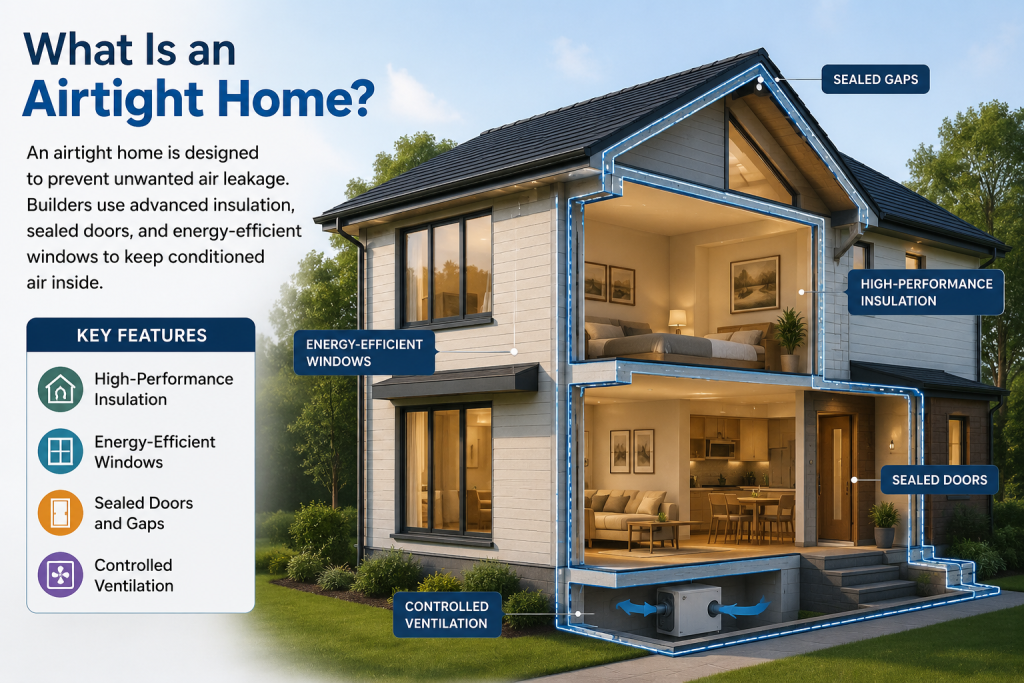
As a result, homeowners benefit from:
- Lower energy bills
- Better temperature control
- Reduced outdoor noise
- Improved overall efficiency
Nevertheless, airtight homes create one major challenge: poor airflow.
Without proper ventilation, indoor air can quickly become unhealthy.
Why Proper Window Ventilation Is Still Important
Even though airtight homes save energy, fresh air exchange is still necessary. Otherwise, pollutants and moisture build up indoors.
Common Problems Caused by Poor Ventilation
| Problem | Impact on Your Home |
|---|---|
| Excess humidity | Mold and mildew growth |
| Stale indoor air | Unpleasant odors |
| Indoor pollutants | Reduced air quality |
| Condensation on windows | Damage to frames and walls |
| Poor airflow | Increased discomfort |
Therefore, window ventilation plays a critical role in maintaining a healthy indoor environment.
How Window Ventilation Improves Indoor Air Quality
Fresh air circulation removes trapped contaminants from inside your home. In addition, proper ventilation helps regulate humidity levels.
Key Benefits of Window Ventilation
- Improves indoor air quality
- Reduces moisture buildup
- Prevents mold growth
- Enhances comfort levels
- Supports healthier living conditions
Furthermore, modern ventilated windows allow controlled airflow without sacrificing energy efficiency.
The Connection Between Condensation and Ventilation
Many homeowners notice condensation forming on windows during colder months. Although this may seem harmless, it often signals poor ventilation.
When warm indoor air meets cold glass surfaces, moisture collects on windows. Over time, this can lead to:
- Water damage
- Mold growth
- Peeling paint
- Rotting window frames
However, proper airflow reduces excess moisture before condensation becomes a serious problem.
Why Modern Windows Are Designed for Better Ventilation
Today’s energy-efficient windows are not only built for insulation. They are also engineered to support controlled airflow.
For example, modern window systems may include:
Smart Ventilation Features
Trickle Vents
These allow small amounts of fresh air to enter continuously.
Tilt-and-Turn Windows
They provide secure airflow while maintaining safety.
Double and Triple Glazing
These improve insulation while reducing condensation risks.
As a result, homeowners can enjoy both efficiency and healthier indoor air.
Why Homeowners Choose Wright Windows
Choosing the right windows makes a significant difference in both comfort and energy performance.
Wright Windows offers high-quality window solutions designed for modern airtight homes. Their products help homeowners balance energy efficiency with effective ventilation.
What Makes Wright Windows Stand Out?
- Energy-efficient window systems
- Advanced ventilation options
- Durable and modern designs
- Improved indoor comfort
- Professional installation services
Moreover, their window solutions help reduce condensation while maintaining excellent thermal performance.
Tips to Improve Ventilation in Airtight Homes
Even with energy-efficient construction, homeowners should actively support indoor airflow.
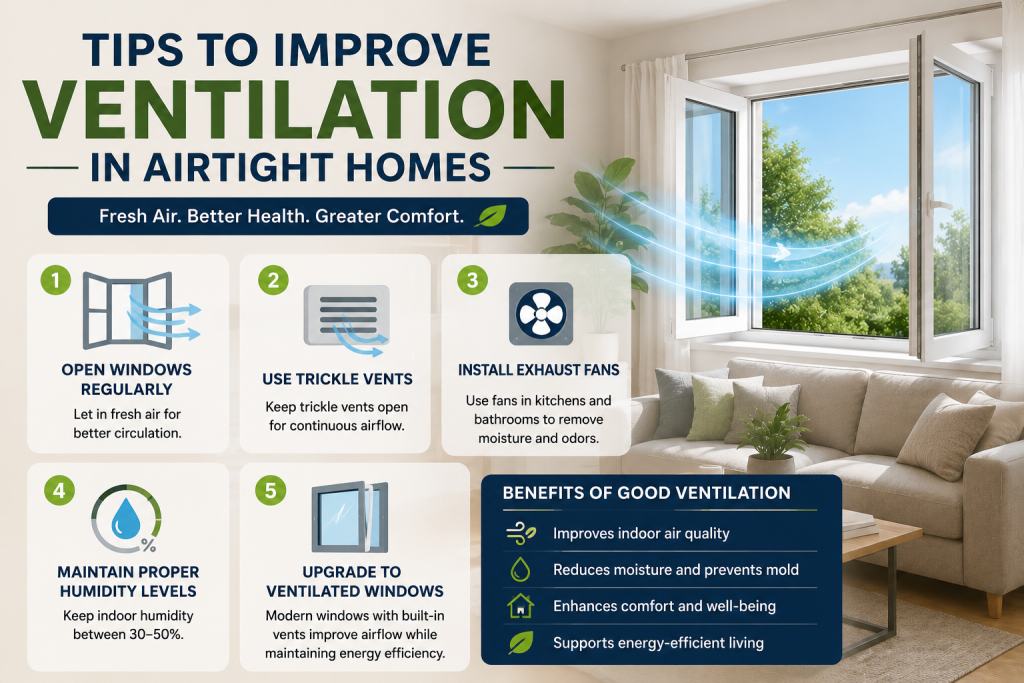
Simple Ways to Improve Air Circulation
- Open windows regularly
- Use trickle vents when available
- Install exhaust fans in kitchens and bathrooms
- Maintain proper humidity levels
- Upgrade to ventilated modern windows
Consequently, these small adjustments can greatly improve indoor comfort and air quality.
Final Thoughts
Airtight homes deliver excellent energy savings. However, without proper ventilation, they can also create moisture and air quality problems.
That is why choosing the right windows matters. Modern ventilated window systems help maintain healthy airflow while preserving energy efficiency.
If you are planning to upgrade your windows, Wright Windows provides reliable solutions that combine performance, comfort, and smart ventilation technology.
Proper ventilation is not just about fresh air it is essential for a healthier, more comfortable home.
Read more : The Most Common Window Problems Found During Irish Home Renovations
FAQ’s
Airtight homes reduce air leakage, but they can also trap moisture, odors, and indoor pollutants. Proper window ventilation helps maintain fresh air circulation and improves indoor air quality.
Yes. Poor airflow allows excess humidity to build up indoors. As a result, condensation forms on windows, which may lead to mold growth and moisture damage over time.
Modern windows include features like trickle vents and tilt-and-turn designs that allow controlled airflow. Companies like Wright Windows offer energy-efficient windows designed to balance insulation and ventilation.